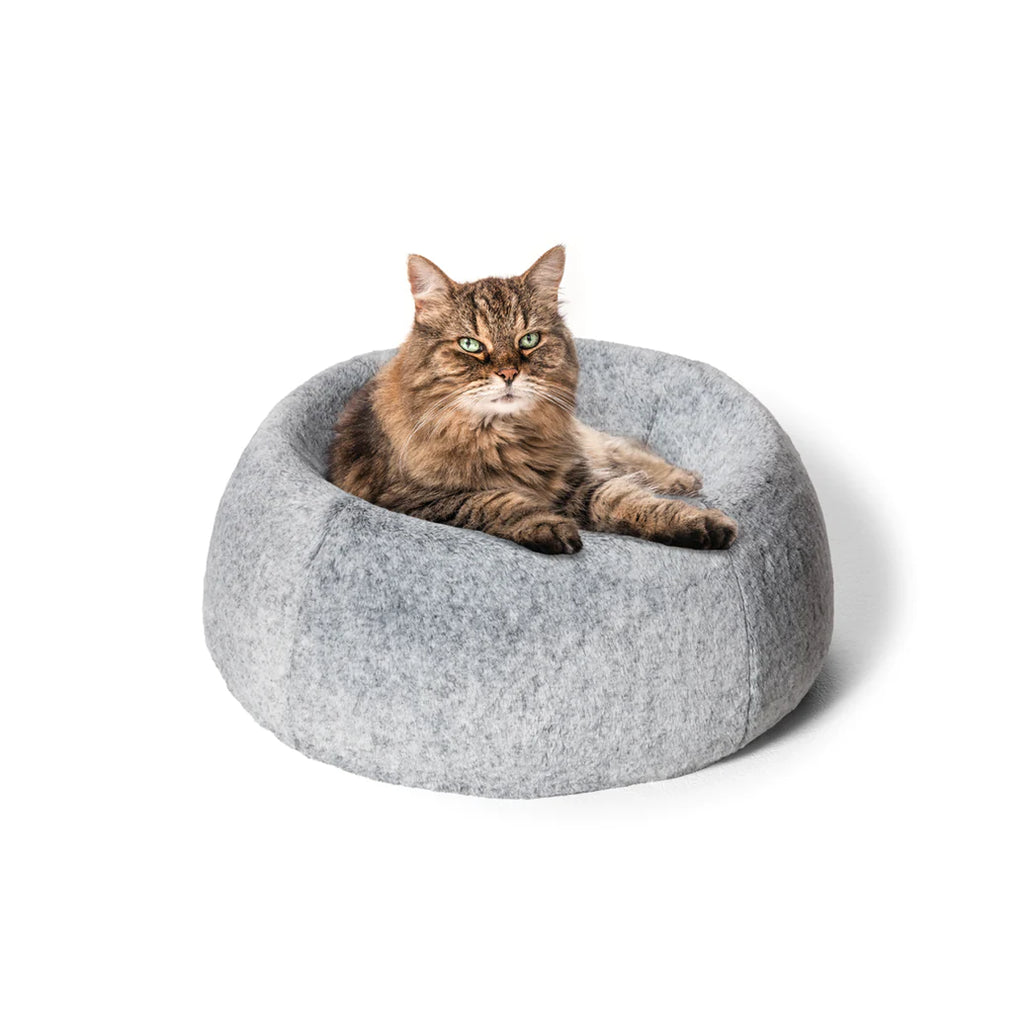
Traveling with Animals: Best Beds for Travel for Your Fur Baby
Traveling with your beloved pet can be a great adventure, but ensuring their well-being on the go is crucial. Just like humans, pets need a cozy place to relax and recharge, especially after a long day of exploring new sights and smells. Whether you have a energetic dog who loves to curl up after a exciting day out or a feline friend who enjoys lounging in new places, finding the right travel bed can make all the difference in their journey.
From learning how to choose the most comfortable pet bed for your pet to looking into the various types of sleeping options available, this article will guide you through the best choices for your pet. We'll cover all aspects from supportive and memory foam beds for added support to portable designs that make journeying easier. Join us as we explore into the key features of travel-friendly beds, making sure your beloved fur baby has a cozy place to rest no matter where your journeys take you.
Selecting the Right Kind of Pet Bed
When evaluating a pet bed for your furry friend, it's essential to consider their individual needs and preferences. Different pets have varying sleeping habits and styles, which can considerably impact their comfort. For instance, dog breeds like retrievers may enjoy larger, open beds, while smaller breeds might prefer a cozy, enclosed space. Noticing how your pet sleeps can give valuable insights into the type of bed that will serve them best.
It's also vital to consider any health issues your pet may have. Aged pets or those with joint pain often gain from orthopedic or memory foam beds that provide more support and cushioning. On the other hand, younger pets may thrive on different styles, like donut or bolster beds, which offer a sense of security while they sleep. Understanding your pet's health status and sleeping positions will guide you in selecting the most supportive option.
Furthermore, practical considerations such as the bed's material, washability, and durability should not be ignored. For pets prone to chewing or digging, opting for a chew-resistant bed can save you money and hassle in the end. For those living in warmer climates, cooling pet beds might be a good investment to ensure your pet stays cool. By thoughtfully evaluating these factors, you'll be able to find the ideal pet bed that fits both your pet's needs and your lifestyle.
Considerations for Pet Mattress Comfort
When picking a pet bed, the content plays a crucial role in ensuring comfort. Plush, high-quality materials can offer a comfortable sleeping surface, while supportive materials like superior foam or orthopedic foam can help ease pressure on joints. Keep in mind your pet's likes and requirements; some pets love to nest into soft fibers, while others may like a more solid surface that gives more support.
The dimensions and shape of the bed are also important considerations. Your pet should have enough area to unwind comfortably. Take measurements of your pet to find the right size, considering their sleeping positions. A bed that fits their favorite sleeping style can greatly enhance their comfort, whether they nestle, extend, or rest against sides for support.
Climate adaptation is another aspect. In warmer climates, cooling pet beds can help keep your furry friend content, while warming beds provide a warm retreat during colder months. Look for weblink that suit your pet's lifestyle and environmental conditions, as maintaining the right temperature can profoundly impact their overall comfort and satisfaction with their sleeping area.
Maintenance and Substitution of Animal Beds
To ensure your pet's bedding stays tidy and cozy, regular care is important. Vacuuming frequently can help eliminate hair, dirt, and dander that accumulate on the surface. If the bed has a removable casing, make sure to clean it following the manufacturer’s instructions, usually in a washer on a delicate cycle. For Snooza Pet Beds without removable covers, spot cleaning with a pet-safe detergent can assist manage spills or stains, while an occasional deep clean will refresh the materials and odors.
Replacing your pet's bed is vital for their well-being and health. Animals often show their need for a new bed through indicators like excessive scratching, discomfort during sleep, or if they start looking for alternative sleeping spots. Typically, click over here is advised to replace pet beds every one to two years, especially if they show visible wear or loss of support, as aged beds may not offer the necessary comfort and safeguarding for your furry companion.
When choosing a new bed, think about your pet's needs and way of life changes. Senior pets, for example, may benefit from more supportive orthopedic options, while active pets might require durable beds designed to endure usage. Monitoring the age and condition of the bed will help you ensure a healthy sleeping environment for your pet companion.